Every cake-cutting moment in Sydney looks a little different once you know what to watch for. At a Western wedding, the bride and groom hold the knife together, hand over hand. At a Hindu or Sikh birthday, the honouree often feeds the eldest relative in the room before taking a bite themselves. At a Filipino debut, the cake only appears after eighteen roses and eighteen candles have already had their moment. None of this is arbitrary — each custom carries its own history, and mixing them up in front of a room full of family can turn a happy moment awkward fast.
This guide walks through where the cake-cutting tradition actually comes from, how it plays out across the cultures Num Num's bakes for every week — Western, Hindu, Sikh, Chinese and Filipino among them — and the practical planning questions that follow once you know which custom your event is built around: what size cake you need, how far ahead to order, and how to time the moment so the photos turn out the way you want.
Num Num's Bakery makes every flavour 100% eggless as standard, with two locations across Greater Sydney — Harris Park and Riverstone — so the cutting-ceremony cake itself is one less thing to negotiate at a mixed-guest event. Read more about the bakery's story on our About page.
- Western couples cut the cake together; Hindu and Sikh honourees often feed elders first.
- Filipino debuts save the cake for after eighteen candles and roses.
- Order 48 hours ahead for a single tier; allow 4–5 days for tiered or custom designs.
- All 15 Num Num's flavours are 100% eggless — one less thing to plan around.
Why Does Cake Cutting Matter So Much at Sydney Celebrations?
In 2021, 45.4% of Greater Sydney residents were born overseas, according to the Australian Bureau of Statistics 2021 Census — one of the highest shares of any major city in the world. That means most celebration cakes in this city are cut in front of a genuinely mixed room, where more than one cake-cutting custom might be sitting at the same table at once.
The cake-cutting moment is one of the few rituals almost every celebration shares, whatever the cultural background involved — a birthday, a wedding, a debut, a housewarming, a religious festival. But the details of who cuts first, who eats first, and what happens around the knife vary enough that getting it wrong in front of grandparents or in-laws is a genuinely common source of last-minute stress for hosts. Isn't it strange that something so universal can still trip people up so easily?
Understanding the custom your event follows also changes what you should actually order. A Western wedding wants a photogenic tier the couple can cut together; a Hindu birthday wants a cake sturdy enough to be handled and fed around a crowded room by hand; a Filipino debut wants a cake that can wait patiently through eighteen separate speeches before its moment finally arrives. The right cake for a cutting ceremony isn't always the same as the right cake for dessert.
How Did the Cake-Cutting Tradition Begin?
The wedding cake-cutting tradition traces back to ancient Rome, where a barley or wheat cake was broken over the bride's head as a symbol of luck and fertility, according to The Knot's history of the cake-cutting ceremony. Guests would scramble for the crumbs, believing them lucky, and the ritual survived — reshaped many times over — through medieval European weddings and into the modern Western reception.
The birthday version has a separate, much later origin. According to a history compiled by Gift Across India, German communities in the Middle Ages held a children's celebration called Kinderfeste, and by the 15th century German bakeries were producing single-layer cakes specifically for birthdays. That single change — a cake made for a birthday rather than a wedding — is what broke the idea that cake-cutting belonged to marriage alone, and it's the direct ancestor of the birthday cake ritual practised worldwide today.
What's worth noticing is that both traditions evolved independently before merging into the shared "cut a cake for any big occasion" custom most of us now take for granted. Sydney's cultural mix means all of these separate histories are still visibly alive in the same city, sometimes in the same week, sometimes at the same party.
What Happens During a Western Wedding Cake-Cutting Ceremony?
The bride and groom cut the first slice together, one hand resting over the other's on the knife handle, as their first joint act as a married couple — a gesture that etiquette guides frame as a symbol of shared responsibility going forward. They usually feed each other a small bite immediately after, before the cake is served properly to the wider guest list.
Timing matters more than people expect. Most Sydney receptions place the cutting after the speeches and the first dance, but before the dance floor really opens up, so the room's attention is still on the couple and the photographer has good light and a clear line of sight. If you're planning a wedding cake for this exact moment, a tiered design photographs best — even a two-tier arrangement gives the couple something substantial to cut into on camera, while the bulk of the serving can come from a matching sheet cake kept in the kitchen.
Because the cutting cake is handled, photographed and often re-plated in front of guests, it needs to hold its shape at room temperature for at least twenty to thirty minutes. That's a design brief, not an afterthought — talk it through when you place your order via Order Online so the tier structure matches how long the cake will actually sit out.
How Do Indian, Hindu and Sikh Families Approach the Cake-Cutting Moment?
The birthday honouree usually cuts a small piece of cake and feeds it to the eldest family member present first, working through the room afterwards, according to a description of the custom by Innfinity — guests then take turns feeding a bite back to the honouree in return. The order isn't about seniority for its own sake; it's a deliberate gesture of respect that the whole room recognises.
From consultations across both Num Num's locations, Hindu and Sikh families very often ask whether the sponge will hold together while being handled by hand and passed around a crowded lounge room — a genuinely different question from "will it look good on a plate." A firmer crumb, like our Rasmalai or Butterscotch, tends to handle this better than a very soft, delicate sponge.
Lacto-vegetarian dietary practice, common across many Hindu households, excludes eggs as a form of animal produce, which is exactly why an eggless cake matters here beyond taste preference. Many Sikh families observe similar egg-free eating as part of a broader sattvic or vegetarian commitment. Because every one of Num Num's 15 flavours is eggless from the base recipe, not as a substitution, there's no separate "special" cake required for guests who keep this practice — everyone at the cutting moment eats the same cake. Our multicultural celebration cake guide covers flavour pairings for Diwali, Navratri and Raksha Bandhan gatherings in more depth.
What Role Does the Cake Play in Chinese and East Asian Birthday Celebrations?
Longevity noodles remain the traditional centrepiece of many Chinese birthday tables, prized because their long, unbroken strands symbolise a long life — a custom detailed by the South China Morning Post, alongside peach-shaped buns for older relatives. Western-style cake has become common alongside — or instead of — these dishes over recent decades, especially among younger, Sydney-raised generations.
Rather than simply replacing the older custom, cake has been folded into it: candle-blowing is often reinterpreted as praying for fortune, and cutting the cake as sharing blessings with the room. One detail trips up a lot of first-time Sydney bakeries — white candles are generally avoided on a Chinese birthday cake, since white carries funeral and memorial associations in Chinese custom. It's a small thing to get right, and guests notice when you do.
For families blending both traditions, a lighter, more universally appealing sponge tends to suit the moment best — Lychee and Mango are two flavours that read as familiar across East and Southeast Asian palates without feeling out of place next to a bowl of longevity noodles on the same table.
How Does a Filipino Debut Build Up to the Cake-Cutting Moment?
The cake cutting at a Filipino debut is deliberately saved for near the end of the programme, arriving only after the eighteen roses, eighteen candles and eighteen treasures have each taken their turn honouring the debutante, as described in Wikipedia's overview of the Philippine debut tradition. Eighteen significant men in her life each present a rose; eighteen more give a short speech and light a candle; and only then does she cut the cake, often with her parents standing beside her.
The moment marks her formal transition into womanhood at eighteen, and by the time it arrives the room has usually been building anticipation for well over an hour — which is exactly why debut cakes need to be able to sit out, fully assembled, for a long stretch of the event without drying out or losing structure. Num Num's already covers this occasion in detail in our Filipino debut cake guide, including flavour choices that photograph well after a long wait under event lighting.
Who Cuts First at a Multi-Generational Party?
Across the cultures Num Num's bakes for, the honouree rarely eats the first bite alone — Hindu and Sikh custom feeds the eldest relative first, Filipino debuts route the cake through parents before anyone else touches it, and Western weddings put the couple, not the guest list, first in line. The common thread across all of them is respect for a specific relationship, not a fixed rule based purely on age.
When a party blends occasions — a milestone birthday that doubles as a family reunion, or a Diwali gathering that happens to fall on someone's birthday — the honouring order should follow the reason for the gathering, not a rigid seniority chart. A grandmother's 80th still gets fed first even at her own great-grandchild's joint party; a graduate's cake still goes to the graduate first even with grandparents in the room. Match the order to what's actually being celebrated.
Practically, this means telling your baker (and briefing whoever's holding the knife) who the first two or three recipients will be before the moment arrives, so nobody is standing around working it out in front of a camera. It sounds like a small thing until you've watched a room hesitate for ten awkward seconds because two people reached for the same plate.
How Should You Choose Cake Size and Flavour Around the Cutting Ceremony?
Australia registered 89,102 marriages in 2022, according to the Australian Bureau of Statistics — a scale of demand that keeps tiered wedding cakes, and their cutting ceremony, in regular rotation across Sydney bakeries. From Num Num's internal order data across both Sydney locations, single-tier cakes still make up the large majority of cutting-ceremony orders overall, with two-tier designs reserved mostly for weddings and milestone birthdays, and slab cakes chosen when the guest count climbs into the hundreds.
Approximate order-style split for cutting-ceremony cakes across Harris Park and Riverstone: roughly 55% single-tier, 30% two-tier, and 15% slab or sheet cake, based on internal order records rather than a formal survey. The two-tier share climbs sharply in wedding and debut season.
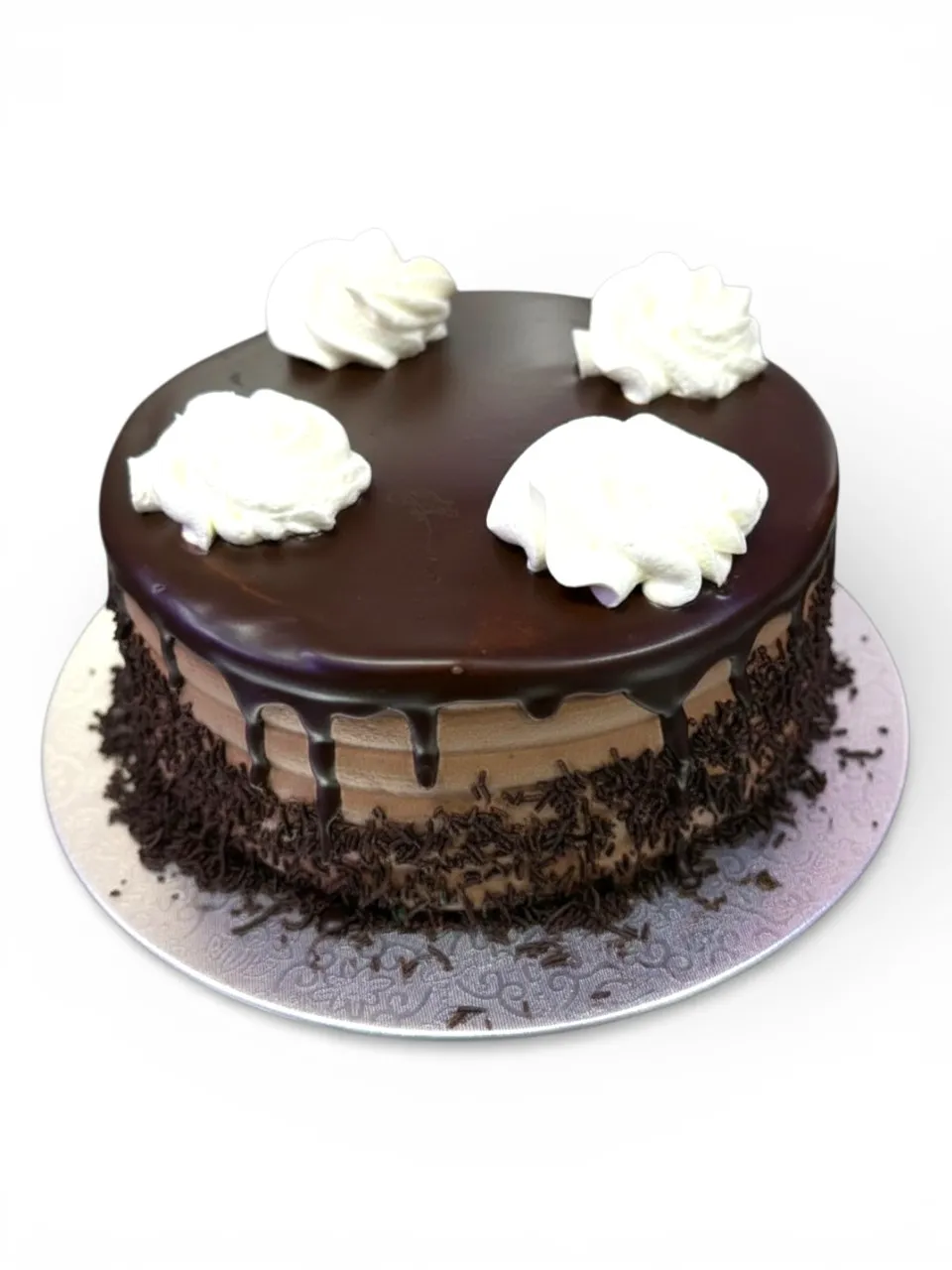
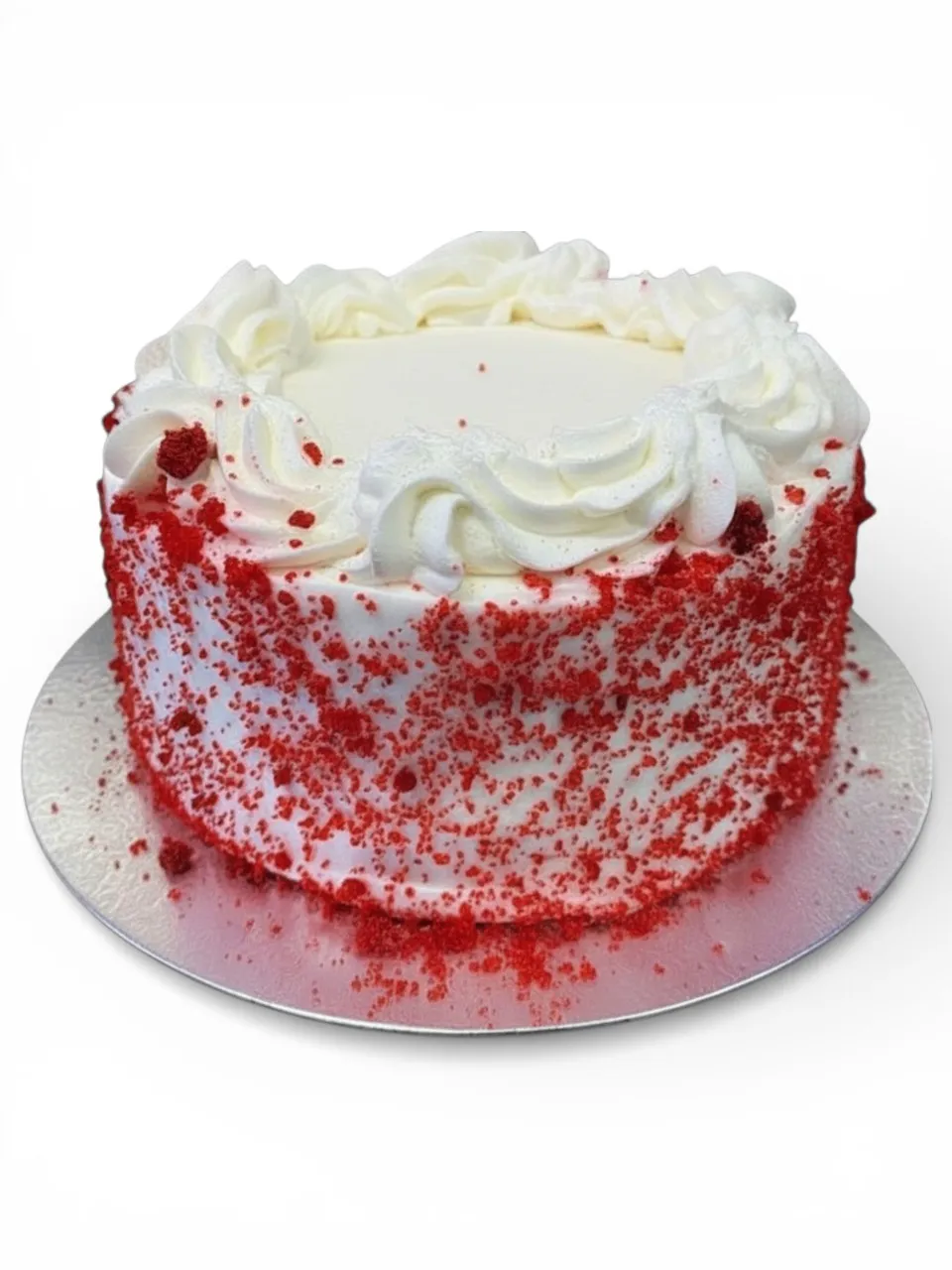
For flavour, Chocolate, Red Velvet and Vanilla photograph reliably well when the first slice comes out under event lighting — the crumb colour holds up, and the cut edge stays clean rather than crumbling on camera. If your event has a large mixed-culture guest list, our unique birthday cake ideas guide has more flavour and design pairings worth browsing before you book.
What Photo and Timing Tips Make the Cutting Moment Memorable?
Wedding etiquette guides commonly recommend cutting the cake mid-reception — after speeches, before the dance floor properly opens — so the room's attention and the venue's lighting are both still at their best, a scheduling point set out by Sponge's guide to cake-cutting traditions and etiquette. The same logic holds at a big birthday or debut: pick a slot when the room is settled and lit well, not squeezed in during a lull.
Collect the cake as close to the event start as your schedule allows, and keep it in a cool spot — not the fridge, ideally — until twenty to thirty minutes before the cutting, so the sponge is at its best texture when the knife goes in. A cake that's been sitting cold and dense cuts messily and photographs worse than one served at close to room temperature. Check Google Maps for the fastest route to whichever location you're collecting from — Harris Park or Riverstone.
All 15 flavours. 100% eggless. 2 locations across Greater Sydney. Tell us your custom, your guest count and your event date on WhatsApp and we'll help you pick the right size and flavour.
Frequently Asked Questions
Who cuts the cake first at an Australian wedding?
The bride and groom cut the first slice together, one hand over the other's, as their first joint act as a married couple. They typically feed each other a small bite before the cake is served to guests. Num Num's bakes eggless tiered wedding cakes for this exact moment — see our wedding cake guide for sizing ideas.
In Hindu and Sikh celebrations, who gets the first piece of cake?
The birthday honouree usually feeds a small piece to the eldest family member present first, then works through the room, as a mark of respect before guests feed cake back to the honouree in return. This custom sits comfortably alongside lacto-vegetarian dietary practice, since all 15 Num Num's flavours are 100% eggless as standard.
What happens at a Filipino debut cake cutting?
The cake cutting comes near the end of the programme, after the 18 roses, 18 candles and 18 treasures have each had their turn honouring the debutante turning 18. She usually cuts the cake with her parents beside her, marking her formal transition into womanhood. See our Filipino debut cake guide for flavour and design suggestions.
Do Chinese and East Asian celebrations always use a cake for birthdays?
Not always — longevity noodles and peach-shaped buns remain traditional for many older generations, symbolising a long, unbroken life. Western-style cake has become common alongside or instead of these, with candle-blowing reinterpreted as praying for fortune. White candles are generally avoided, since they carry funeral associations in Chinese custom.
How much notice does Num Num's need for a cake tied to a cutting ceremony?
A minimum of 48 hours for a single-tier cake. For tiered wedding cakes, custom debut designs, or festival-season bookings, allow 4–5 days so the design and flavour can be confirmed properly. Message +61 425 697 725 on WhatsApp with your event date, flavour, size and pickup location — Harris Park or Riverstone.
15 flavours, 100% eggless, made fresh to order. Two Sydney locations. WhatsApp us your event date and cutting-ceremony custom and we'll help you plan the size, flavour and timing.