If a cake box says "egg-free" on the front but the ingredient list underneath includes albumin, lysozyme, or a lecithin with no sourcing noted, you're not imagining the contradiction. Egg hides behind dozens of technical and scientific names in packaged food, and even bakery-made items carry allergen statements written in language most home cooks were never taught to decode.
This guide breaks down exactly what to look for on a cake ingredient label. It covers the alternate names for egg, the difference between a deliberate ingredient and a "may contain" warning, and how Australia's food allergen laws actually work. It also explains why, at Num Num's Bakery, we built our entire kitchen around skipping this problem altogether. Every cake we sell is 100% egg-free, so there's no label left to decode.
- Egg can appear as albumin, ovalbumin, globulin, lysozyme, livetin, or ambiguous lecithin.
- FSANZ requires egg — one of 8 priority allergens — declared in plain language.
- "May contain egg" flags cross-contamination risk, not a deliberate ingredient.
- Num Num's kitchen never brings egg on-site — 15 flavours, zero labels to read.
Why Do Cake Labels Hide Egg Behind Unfamiliar Ingredient Names?
Egg must be declared on Australian food labels. But brands are allowed to use its scientific or technical name instead of the plain word "egg," under the allergen labelling rules set out by Food Standards Australia New Zealand (FSANZ). That single rule is why a shopper scanning for the word "egg" can walk straight past it, hidden inside a name like albumin or ovalbumin.
This isn't a loophole so much as a labelling quirk. FSANZ separately mandates a plain-language allergen summary statement — usually a line reading "Contains: egg" — beneath the ingredient list precisely because ingredient names alone are so inconsistent. The catch is that not every product displays that summary line clearly, and unpackaged bakery-counter items sold loose sometimes carry no printed statement at all.
Under Australia's Food Standards Code, egg is one of eight priority allergens manufacturers must declare, either by its common name or via a mandatory allergen summary statement (Food Standards Australia New Zealand). Relying on the ingredient list's technical names alone, without checking that summary line, is the single most common way an egg-avoidant shopper misses it.
Which Ingredient Names Actually Mean Egg Is in the Product?
At least nine distinct ingredient names on an Australian food label can mean egg, and none of them contain the word "egg" itself. Albumin (or albumen), globulin, livetin, lysozyme, ovalbumin, ovomucin, ovomucoid, ovovitellin, and silici albuminate are all egg-derived proteins used for structure, shine, foaming, or preservation in packaged baking.
| Ingredient name | What it does | Where it turns up |
|---|---|---|
| Albumin / albumen | Binding, foaming | Cake mixes, meringue toppings |
| Globulin | Structure, moisture | Processed baked goods |
| Livetin | Egg yolk protein, binding | Glazes, rich sponge mixes |
| Lysozyme | Preservative | Some cheeses, packaged bakery items |
| Ovalbumin / ovomucin / ovomucoid | Structure, foaming | Whipped fillings, mousse-style cakes |
| Ovovitellin | Emulsifying | Custard-style fillings |
| Silici albuminate | Clarifying agent | Some glazes and syrups |
Lecithin (labelled E322) is the trickiest one on the list. It's usually made from soy but can be sourced from egg yolk, and the ingredient name alone often doesn't say which. FSANZ rules mean a brand must flag egg-derived lecithin in the allergen summary statement. If that line doesn't mention egg, it's worth contacting the brand directly when the stakes are high. For a look at what a from-scratch eggless recipe uses instead, see our guide to egg substitutes in cake.
What Does "May Contain Traces of Egg" Actually Mean?
"May contain egg" is a precautionary allergen statement covering the risk of accidental cross-contamination during manufacturing. It is not a declaration that egg was deliberately added, and food businesses aren't required to use consistent wording for it (Food Standards Australia New Zealand). For someone avoiding egg by preference, that distinction barely matters. For someone managing a diagnosed egg allergy, it matters enormously, because trace contamination can still trigger a reaction.
These precautionary statements have multiplied across packaged food as shared manufacturing lines have become more common. Allergy & Anaphylaxis Australia advises treating "may contain" wording as a genuine warning rather than boilerplate to skim past, even when the ingredient list itself contains no egg-derived name at all.
In 2025, the National Allergy Centre of Excellence found that 8.2 million Australians — 30% of the population — live with allergic disease, more than double the 4.1 million (19.6%) recorded in 2007 (NACE, Costly Reactions report, August 2025). That growth is a large part of why ingredient-label literacy has become a mainstream household skill rather than a niche one.
How Do You Read a Cake Label in Under a Minute?
A cake label can be checked for egg in four steps that take under a minute once you know where to look. Scan the bolded allergen summary statement first, then the ingredient list for the nine egg-derived names above. Check any "may contain" line next, then ask directly if the item is sold loose from a bakery counter without a printed label at all.
- Read the bolded summary line first. Most Australian packaging carries a "Contains: egg" or similar statement in bold beneath the ingredient list — this is the fastest, most reliable check FSANZ requires.
- Scan the ingredient list for the nine egg names. Albumin, ovalbumin, globulin, livetin, lysozyme, ovomucin, ovomucoid, ovovitellin, and silici albuminate all mean egg, even without the word "egg" appearing.
- Check any "may contain" line separately. Treat it as a genuine cross-contamination warning, not boilerplate, and never assume its absence means the product was tested for egg residue.
- Ask directly when there's no printed label. Bakery-counter cakes sold loose, market stalls, and some cafés aren't always required to display a full allergen statement — ask the person serving you before you buy.
For a broader look at everything that goes into a cake without eggs, our guide to what's actually inside an eggless cake breaks down flour, sugar, dairy and every other component flavour by flavour.
A pattern we've noticed in the WhatsApp messages we receive: customers who've been caught out once by an ambiguous "may contain" statement almost never trust a label again. They ask upfront every time afterward, even for products they've bought before. That instinct is the right one.
Is a Cake Safe for a Severe Egg Allergy Once You've Checked the Label?
Checking a label reduces risk but never fully replaces asking the brand or baker directly, according to ASCIA (Australasian Society of Clinical Immunology and Allergy) guidance for people managing a diagnosed food allergy. Labels can change between production runs. A bakery counter item may not carry a printed statement at all. For anyone with a severe or anaphylactic egg allergy, a label check is the first step, not the last one.
At Num Num's, our kitchen is 100% egg-free. That removes the risk of egg contact entirely — there's simply no egg on the premises to touch anything else. We're honest about what this does and doesn't cover, though. Our cakes still contain dairy (milk powder, butter) and wheat, and some flavours involve nuts. We're not a certified allergen-free bakery beyond eggs. For a deeper look at ordering safely with a diagnosed allergy, see our guide to eggless cake for egg allergy.
From orders we've taken across both shops, families managing a severe egg allergy almost always ask the same follow-up question once they hear "100% egg-free kitchen": whether that covers cross-contamination from other allergens too. It doesn't automatically — we always confirm dairy, wheat, and nut content per flavour before anyone orders.
For a severe or anaphylactic egg allergy specifically, tell us your exact needs when ordering and follow your own NSW Health-aligned food safety guidance and ASCIA action plan. We won't promise medical-grade safety beyond egg — we'll promise an honest answer to any ingredient question before you commit to an order.
Why Does a 100% Egg-Free Kitchen Remove the Need to Read Labels at All?
A kitchen that never brings egg onto the premises has nothing to declare. That's the entire logic behind Num Num's model: from our own operations, every cake across all 15 flavours skips the allergen-statement puzzle because there's no ambiguous ingredient name to interpret in the first place. It's a structural difference from a general bakery offering an "eggless option" alongside egg-based products, where cross-contamination and mixed-recipe ambiguity are both live risks.
The trade-off most shoppers don't expect: reading a packaged label properly — summary statement, ingredient list, and "may contain" line — genuinely takes a minute or two done carefully. Confirming an order with us over WhatsApp, where we tell you plainly what's in your chosen flavour, usually takes less time than that. See how eggless cakes are made from scratch, without any of the substitute-and-declare cycle packaged food goes through.
What Eggless Flavours Can You Order Without Checking a Single Label?
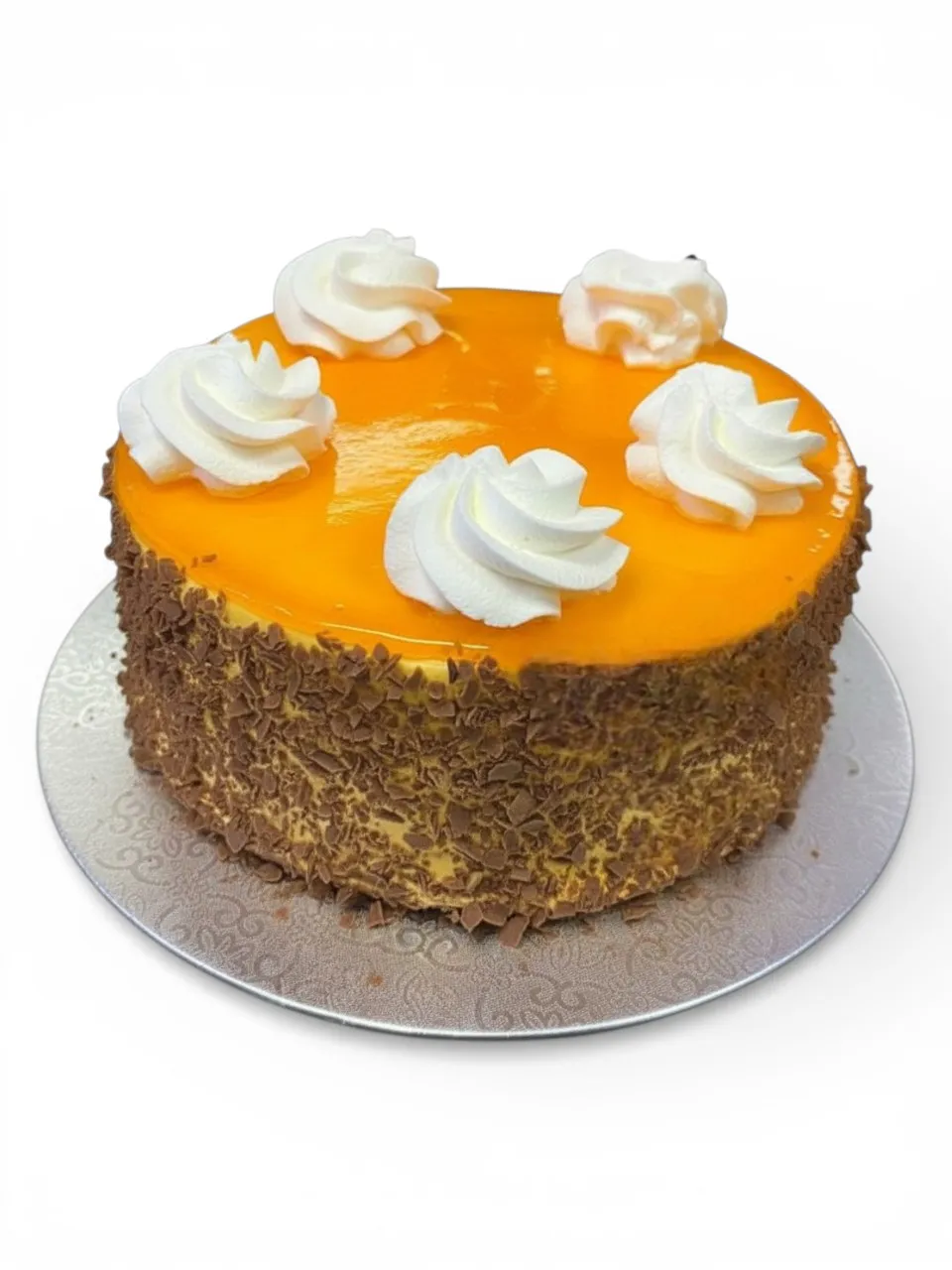
Every flavour on the Num Num's menu is built egg-free from scratch, so choosing between them is purely a matter of taste — not a matter of double-checking an ingredient list. Browse the full Our Cakes page for photos and sizing before you decide.
All 15 Flavours — 100% Egg-Free by Default.
- Chocolate — rich, dense, our most-ordered flavour and a safe default for mixed guest lists.
- Vanilla — classic and crowd-pleasing, works for every occasion and every age group.
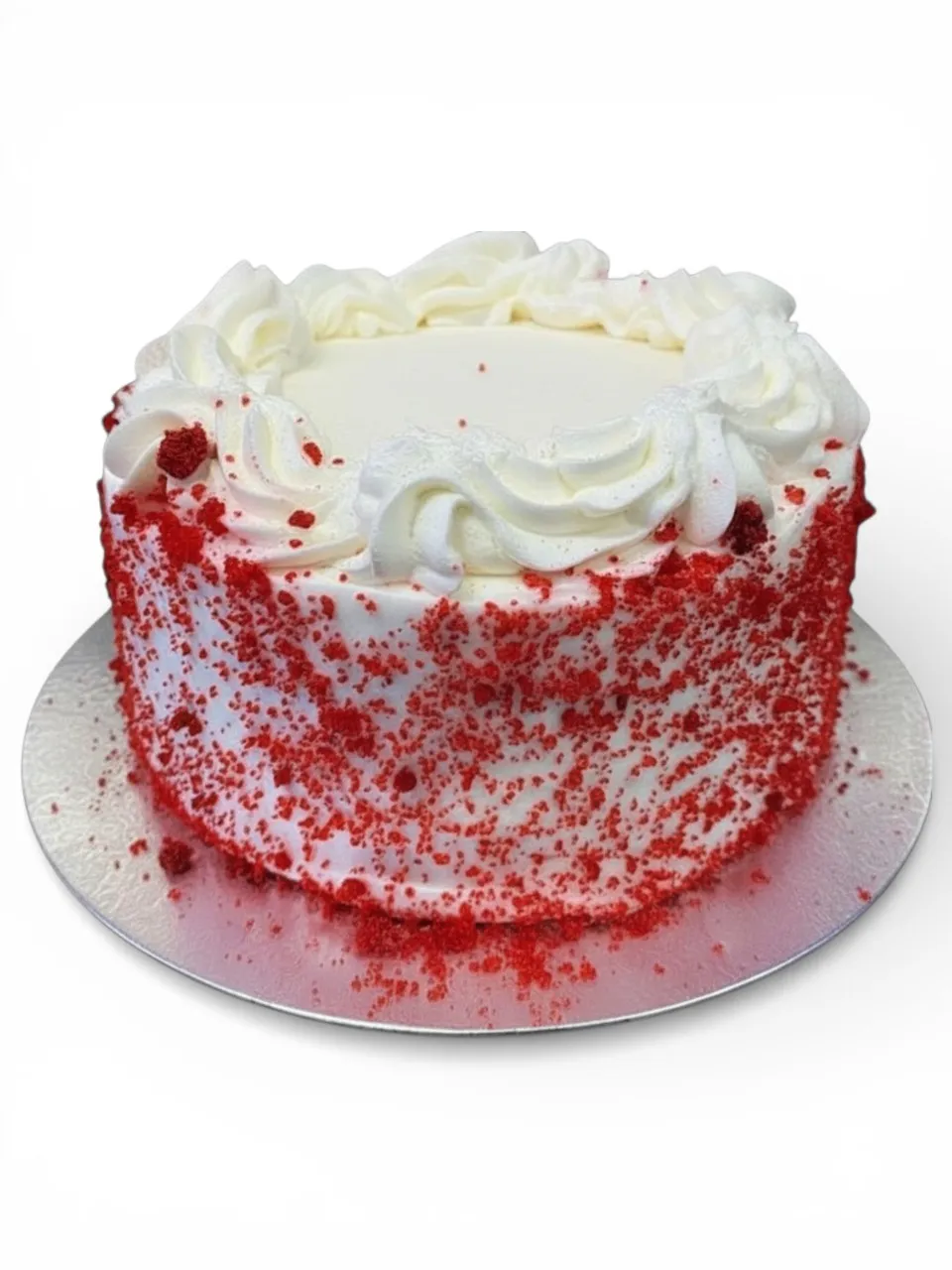
- Red Velvet — visually striking with a subtle cocoa note, popular for milestone birthdays.
- Butterscotch — warm, caramel-forward, a nostalgic pick for many customers.
- Black Forest and White Forest — elegant cherry-cream combinations for special occasions.
- Mango, Lychee and Pineapple — bright fruit flavours, popular through the warmer months.
- Ferrero Rocher and Tiramisu — premium, indulgent options for adult celebrations.
- Strawberry and Blueberry — fresh, familiar choices for kids' parties.
- Cookies & Cream — crowd-pleasing with a fun, party-friendly character.
- Rasmalai — South Asian-inspired and fragrant, ideal for festival and cultural orders.
Message us on WhatsApp with your chosen flavour and we'll confirm exactly what's inside before you order. 48 hours notice is all we need for most cakes.
Frequently Asked Questions
What ingredient names on a cake label actually mean egg?
Egg can appear under names FSANZ requires manufacturers to declare, including albumin, ovalbumin, globulin, lysozyme, and livetin. Egg lecithin is trickier — lecithin can come from soy or egg, so check the allergen summary statement below the ingredient list rather than judging by the ingredient name alone, since sourcing isn't always spelled out in the name itself.
Does "may contain egg" mean the product definitely has egg in it?
No. "May contain egg" is a precautionary statement covering accidental cross-contamination during manufacturing, not a deliberate ingredient, and businesses aren't required to use consistent wording for it. For someone avoiding egg by preference that distinction barely matters, but for a diagnosed egg allergy it matters enormously, since trace contamination can still trigger a reaction.
Is Num Num's Bakery legally required to label allergens the same way?
Yes — Food Standards Australia New Zealand's allergen labelling rules apply to every food business, including bakeries. The difference is that because our kitchen never brings egg onto the premises at either shop, there's no allergen statement to write or read: the entire 15-flavour menu is built egg-free from the ground up.
Are Num Num's cakes safe for a severe or anaphylactic egg allergy?
Our kitchen is 100% egg-free, which removes the cross-contamination pathway for egg specifically. Cakes still contain dairy and wheat, and some flavours include nuts, so we're not an allergen-free bakery overall. For a severe or anaphylactic allergy, state your exact needs when ordering and follow your own ASCIA-aligned medical advice.
How can I check a cake's full ingredient list before ordering from Num Num's?
Message us on WhatsApp with your chosen flavour and we'll send the complete ingredient breakdown before you commit — the same transparency FSANZ requires on packaged labels, delivered as a direct conversation with a real person instead of small print you have to decode yourself before your event.
15 flavours, 100% egg-free, made fresh to order from Harris Park and Riverstone. WhatsApp us your questions before you commit — we'll answer honestly.