Red Velvet cakes, rainbow layer cakes, and character birthday cakes all depend on one ingredient most people never think about until they're planning an order: food colouring. For eggless cakes specifically, colouring choices matter a little more, since customers already paying close attention to what goes into their cake often want the same scrutiny applied to the dye.
At Num Num's Bakery, every cake is 100% eggless as standard, and every colour we use — natural or FSANZ-approved artificial — is chosen with the same care as the recipe itself. This guide explains the difference between natural and artificial food colouring, what Australian regulation actually requires, and how to request natural dyes on a custom order.
- FSANZ permits approved artificial colours; the EU requires a hyperactivity warning label the EU adopted since 2010.
- Every cake, all 15 flavours, is 100% eggless regardless of colouring choice.
- Natural dyes like beetroot and turmeric are available on custom orders.
- Deep reds and true blacks need the most concentrated colouring.
- Custom colour requests need 48 hours notice via WhatsApp.
What's the Difference Between Natural and Artificial Food Colouring?
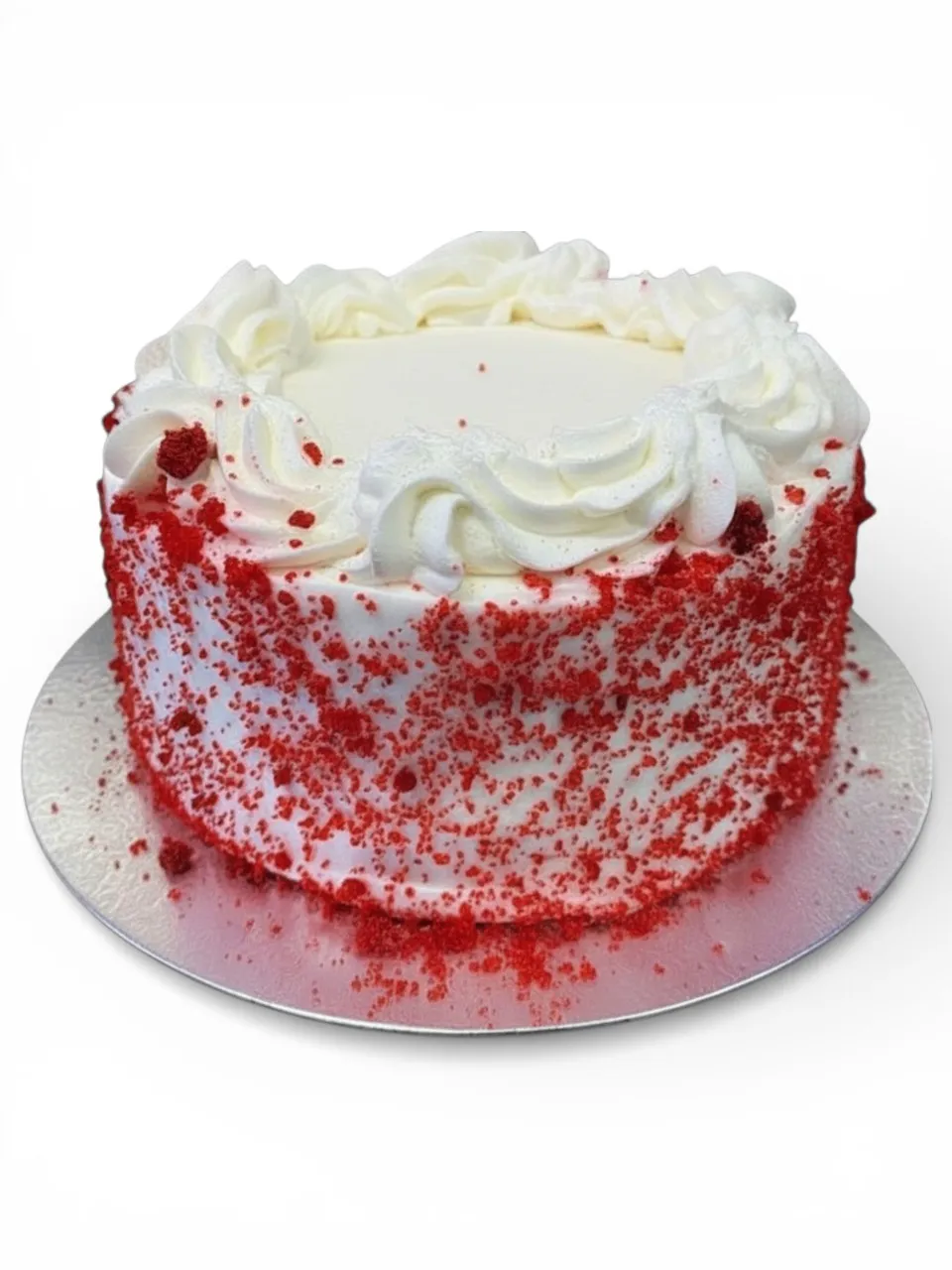
According to Food Standards Australia New Zealand (FSANZ), food colours fall into two broad categories: natural colours derived from plant, animal, or mineral sources, and synthetic colours manufactured chemically to achieve precise, stable shades. Both categories must be approved for use and, if present, declared on the product label.
Natural colourings tend to produce softer, more muted tones and can shift slightly with heat or pH, while synthetic colours hold a bright, consistent shade through baking and are far more concentrated — which is why a single teaspoon of artificial red gel can achieve a saturation that would take a full cup of beetroot juice to approach.
Food Standards Australia New Zealand permits approved natural and synthetic colours in food, requiring both to be declared on ingredient labels ( FSANZ, Food Colours). This labelling requirement gives customers the information to choose a bakery whose colouring approach matches their preference.
Is Artificial Food Colouring Safe in Australian Cakes?
As of 2025, FSANZ has reviewed research on artificial food colours and children's behaviour and found no evidence requiring lower safety limits for their use in Australia. That puts Australia's regulatory position at odds with the European Union, which has required a mandatory warning statement — "may have an adverse effect on activity and attention in children" — on some artificially coloured foods since 2010, following a 2007 UK government-funded study.
In practice, that means an artificially coloured cake bought in Sydney carries no legal warning label, while the identical product sold in the EU would. Neither position claims the colours are unsafe outright; the difference is how precautionary each regulator has chosen to be with the same underlying research.
The EU/Australia divide on food colouring is one of the more visible regulatory gaps between the two systems — most food safety rules (allergen labelling, additive approval processes) are broadly aligned, but this specific precautionary warning has never been adopted locally, despite periodic public debate about it.
Why Does Ingredient Transparency Matter to Eggless Cake Customers?
As of August 2025, the National Allergy Centre of Excellence's "Costly Reactions" report found that 8.2 million Australians — 30% of the population — now live with allergic disease, up from 4.1 million (19.6%) in 2007. Customers who've already gone looking for a genuinely egg-free bakery tend to read every other ingredient with the same level of scrutiny, and colouring is one of the first questions that comes up once the eggless question is settled.
That's a useful pattern for us, because it means the same customers asking about natural food colouring are usually the same ones checking labels for dairy, nuts, and gluten too. Being upfront about exactly what's in a colour — rather than a generic "natural flavours and colours" label — builds the same trust an entirely egg-free kitchen already relies on.
According to NSW Health, food businesses are expected to keep accurate ingredient records and disclose allergens on request — a standard we apply to colouring the same way we apply it to flavour ingredients, since a customer avoiding a specific dye for medical or personal reasons deserves the same clear answer as one avoiding eggs.
What Natural Food Colourings Can Be Used in Eggless Cakes?
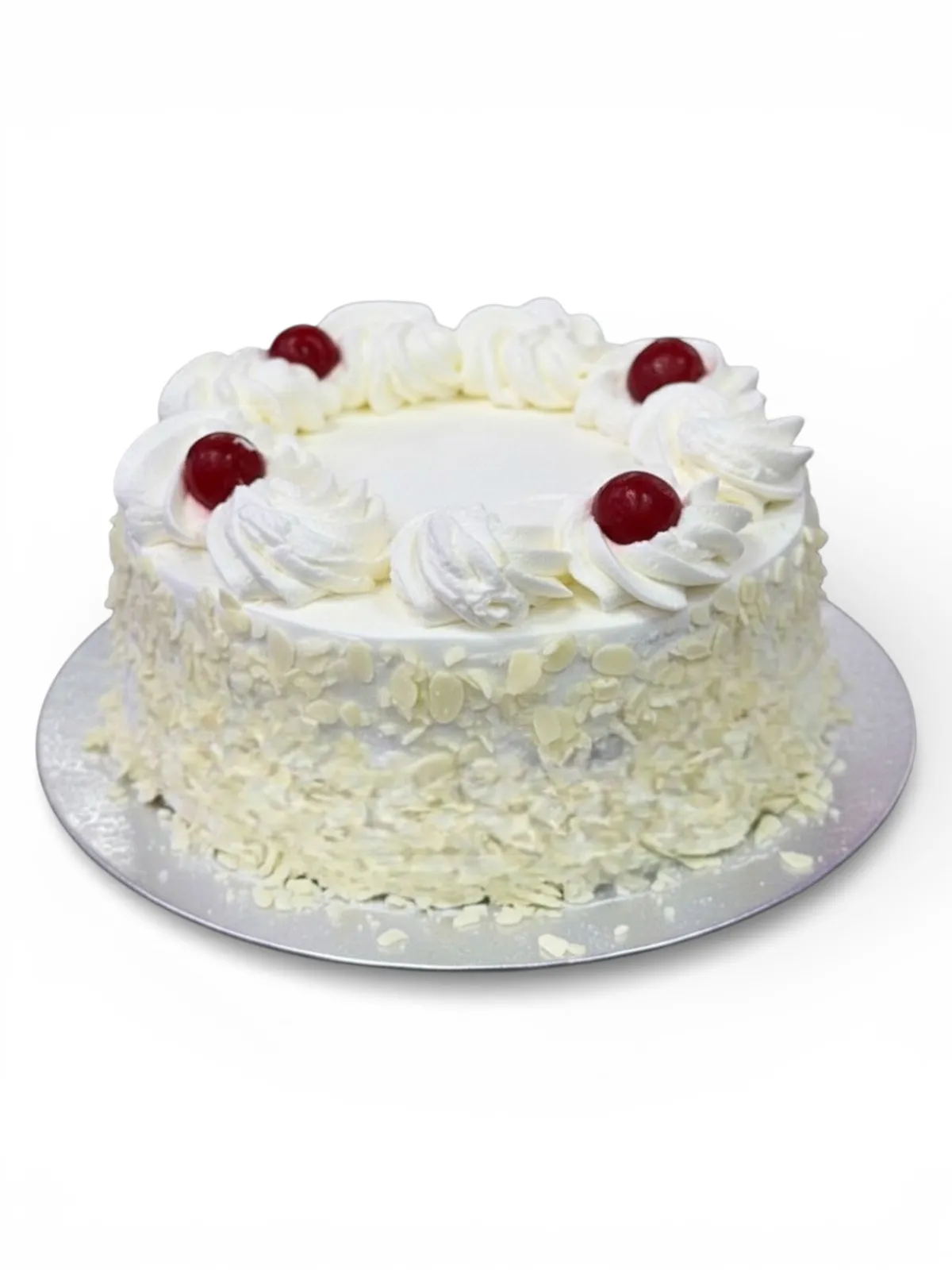
A handful of plant-based ingredients cover most of the colour spectrum a home baker or bakery needs, though each behaves differently once mixed into batter or icing:
- Beetroot powder or juice — a soft pink to red, popular for Red Velvet-style cakes without synthetic dye.
- Turmeric — a warm yellow, though it can add a faint earthy flavour at higher concentrations.
- Butterfly pea flower — a striking natural blue that shifts toward purple with acidic ingredients like lemon juice.
- Matcha or spirulina — natural greens, both with a distinct flavour that needs careful balancing.
- Cocoa powder — a reliable natural brown, already standard in most chocolate-flavoured bakes.
- Activated charcoal — a natural black or grey, used sparingly given its strong pigment.
None of these substitute for eggs — they're colourants, not binding or leavening agents — so a naturally coloured cake from Num Num's Bakery is still built on the same 100% eggless base recipe as every other flavour on the Our Cakes page.
Does Food Colouring Affect the Taste or Texture of an Eggless Cake?
FSANZ-approved artificial colours are generally flavourless in the small quantities used for cake decoration, which is one reason they remain popular for precise, vivid designs. Natural colourings are a different story: turmeric, matcha, and spirulina all carry a mild flavour of their own once the quantity needed to achieve a strong colour goes up, and beetroot can add a faint earthy sweetness in large amounts.
From requests we've fielded for custom orders, most customers asking for natural colouring are happy to accept a softer, less saturated final shade in exchange for avoiding synthetic dye — the trade-off is usually well understood once we explain it upfront, rather than something that causes disappointment on collection day.
Which Cake Designs Need the Most Food Colouring?
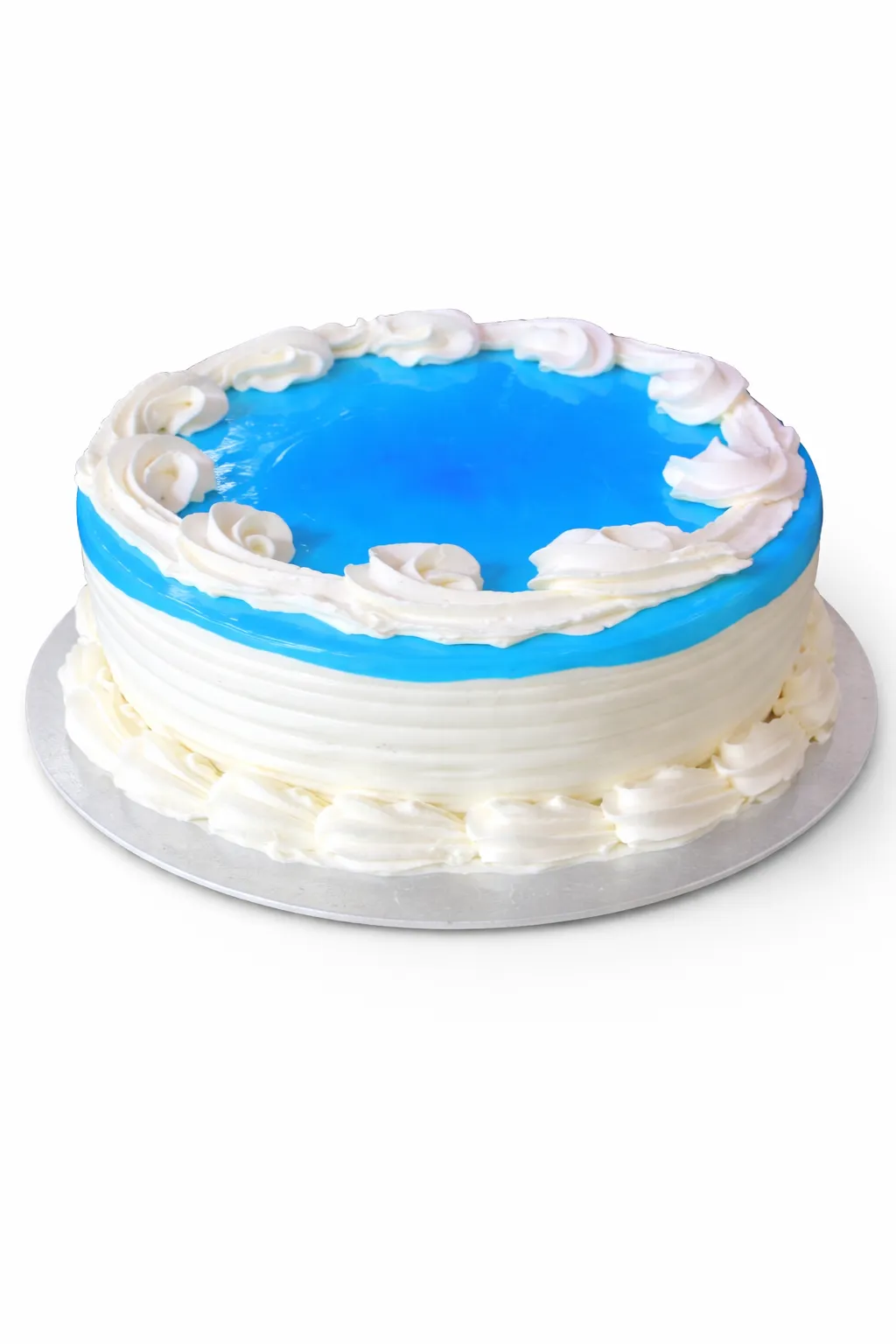
Deep reds — Red Velvet being the obvious example — true blacks, and vivid blues typically need the most concentrated colouring, because natural pigments physically struggle to reach those saturations without altering flavour or texture noticeably. Rainbow layer cakes and ombré designs also demand precise, repeatable shades across multiple batches, which is easier to achieve consistently with FSANZ-approved artificial colours.
Pastels and softer tones — blush pink, pale yellow, soft lavender — are comparatively easy to achieve with natural dyes, since the pigment doesn't need to be pushed to its limit. If a design calls for both a soft base tone and a few small, deeply saturated accents (piping, lettering, small decorations), we can often mix approaches within a single cake on request.
Message us on WhatsApp with your design and colour preference — natural or standard — and we'll confirm what's achievable before you order.
How Do I Request Natural Colouring for My Eggless Cake?
From orders we've taken across both Harris Park and Riverstone, natural colouring requests are straightforward as long as they're flagged before the design is finalised, since the softer tones sometimes change how a design reads. It takes less than five minutes to place a request via WhatsApp.
- Browse the flavours: Check the Our Cakes page for the full menu with photos, and note your preferred flavour and design.
- Message us on WhatsApp: Send your order to +61 425 697 725 and specify whether you'd prefer natural colouring, FSANZ-approved artificial colouring, or a mix for accents.
- Give at least 48 hours notice: Every cake is made fresh to order. Natural colouring on complex designs may benefit from the longer 4–5 day window we recommend for elaborate custom work.
- Confirm and collect: We'll confirm the achievable shade with you before baking, then you can collect from Harris Park or Riverstone.
From the design briefs we receive, requests specifying "natural colouring only" are still a minority of custom orders, but the share has grown noticeably over the past couple of years as more customers ask about ingredients before ordering rather than after the cake arrives.
Frequently Asked Questions
Is artificial food colouring safe in Australian cakes?
FSANZ permits approved artificial colours in Australian food and has not found evidence requiring lower safety limits, unlike the EU, which mandates a hyperactivity warning label on some artificially coloured foods. Both natural and FSANZ-approved artificial colours are used safely in cakes across Australia.
Can I request natural food colouring for my eggless cake?
Yes — Num Num's Bakery can use natural colourings such as beetroot, turmeric, or butterfly pea flower for custom orders on request. Natural dyes produce softer, more muted tones than artificial colours, so mention your preference when you place your order via WhatsApp.
Does food colouring affect the taste of an eggless cake?
FSANZ-approved artificial colours are generally flavourless in the small quantities used for cake decoration. Some natural colourings, particularly turmeric and matcha, can add a faint earthy or vegetal note in larger quantities, which our bakers account for when balancing a recipe.
What colours need the most food dye in a cake?
Deep reds like Red Velvet, true blacks, and vivid blues typically need the most concentrated colouring because natural pigments struggle to reach those saturations. Pastels and softer tones like pink or yellow are comparatively easy to achieve with natural dyes and require far less pigment overall.
Are all Num Num's Bakery cakes eggless regardless of colouring?
Yes — every cake, every flavour, and every colour combination is 100% eggless as standard. Colouring choice never changes the egg-free status of any cake on our menu, whether you choose a natural or FSANZ-approved artificial dye for your design.
15 flavours, natural or artificial colouring on request, made fresh to your order. Pick up from Harris Park or Riverstone. WhatsApp us at least 48 hours before your event.