A perfectly made cake can still arrive at the party looking wrong — a slumped tier, a sweating buttercream finish, a fondant decoration that slid an inch to the left. None of that is usually the bakery's fault. It's almost always what happened in the 20 to 40 minutes between pick-up and party, sitting in a hot car or wedged against a seatbelt buckle. Getting a cake home safely is a skill in itself, and it's one most people only learn after something's gone wrong once.
At Num Num's Bakery, every cake leaves Harris Park or Riverstone boxed and ready to travel, but the last leg of the journey is in your hands. This guide covers exactly how to keep an eggless cake — or any cream-based cake — intact and food-safe between the shop and the table.
- Keep the cake flat, out of direct sun, and out of the 5–60°C danger zone for over 2 hours (FSANZ).
- A parked car can reach 70°C within minutes on a hot day (RACV).
- Boot or footwell, never the seat — sliding is the top cause of transport damage.
- Every Num Num's cake leaves the shop boxed with handling guidance included.
Why Does Transport Matter So Much for an Eggless Cake?
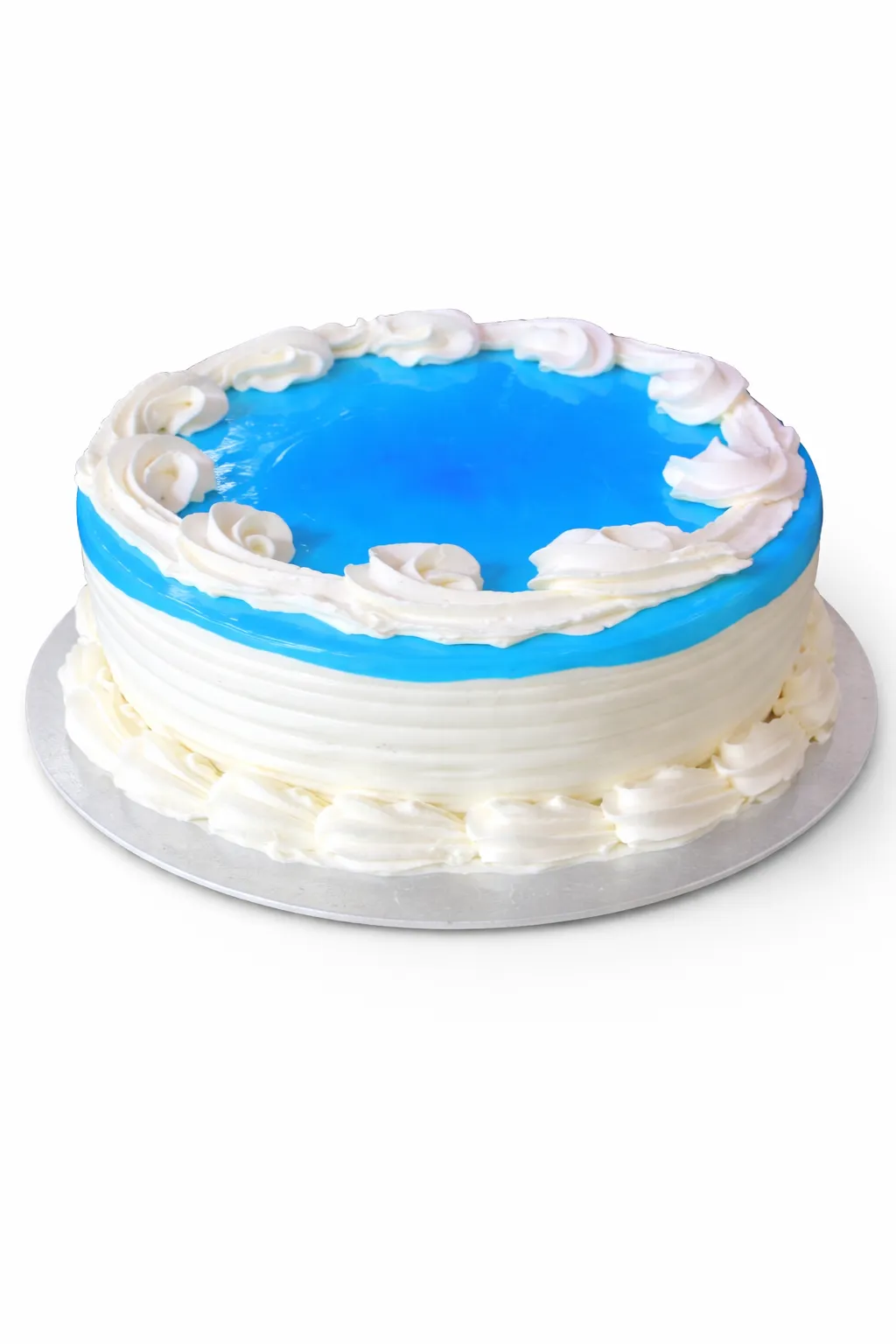
An eggless cake behaves structurally much like any other cream or buttercream cake — the absence of eggs changes the recipe, not the physics of a soft sponge under fresh cream in a moving car. What actually threatens a cake in transit is heat, movement, and time, in roughly that order of importance. Get any one of those wrong and the cake that looked perfect in the shop can arrive leaning, melting, or simply unsafe to eat.
Cream-based fillings and finishes are classified as potentially hazardous food once they leave refrigeration, which means the clock starts the moment the cake is handed over. Sydney's climate makes this more relevant than it might be elsewhere — a 25°C spring day can still turn a parked car's interior into an oven, and a 35°C summer afternoon compounds every risk at once.
Cream-filled cakes sit within Australia's food safety temperature danger zone of 5°C to 60°C, where the Food Standards Australia New Zealand two-hour/four-hour rule applies (FSANZ, Keeping food at the right temperature). Cumulative time out of the fridge under two hours is generally safe; beyond four hours, the food should be discarded.
How Hot Does a Parked Car Get on a Sydney Day?
RACV testing found that vehicle interiors can reach around 70°C within minutes during hot weather — well past the 60°C ceiling that defines the food safety danger zone (RACV, Vehicle Interiors 70 Degrees). Most of that heat builds fast: a large share of the total temperature rise happens in the first 15 minutes, long before most errands are done.
That's the trap with cake transport specifically. People plan for the drive itself but forget the 5-minute stop at a petrol station, or the 10 minutes spent finding parking near the venue. Each of those pauses, with the cake sitting in a closed car, adds real heat exposure — and unlike a drink or a snack, a cream cake can't simply be re-cooled once it's softened.
Approximate parked car interior temperature on a warm day, based on RACV testing methodology. Figures are indicative, not a precise reading for every vehicle or climate condition.
What's the Best Way to Secure a Cake in the Car?
Flat and low is the rule. The boot (if it's flat and not sloped) or the floor behind the front seats are both better than a seat, where a cake box can slide with every turn or sudden stop. A non-slip mat or a folded towel underneath the box stops it from sliding even further, and wedging a rolled towel or a bag on either side keeps it from tipping on corners.
- Choose the flattest, lowest surface available: boot floor or back-seat footwell, never an angled seat cushion.
- Use a non-slip surface underneath: a rubber mat, a folded towel, or a purpose-made cake transport mat all work.
- Keep air conditioning on, windows up: cool the cabin before the cake goes in, and avoid direct air vents blowing straight onto the box.
- Drive gently: brake and corner more slowly than usual, and avoid sudden stops where possible.
- Minimise stops: plan the most direct route and avoid errands along the way — every extra stop is extra heat exposure.
How Do You Transport a Tiered or Fondant Cake Safely?
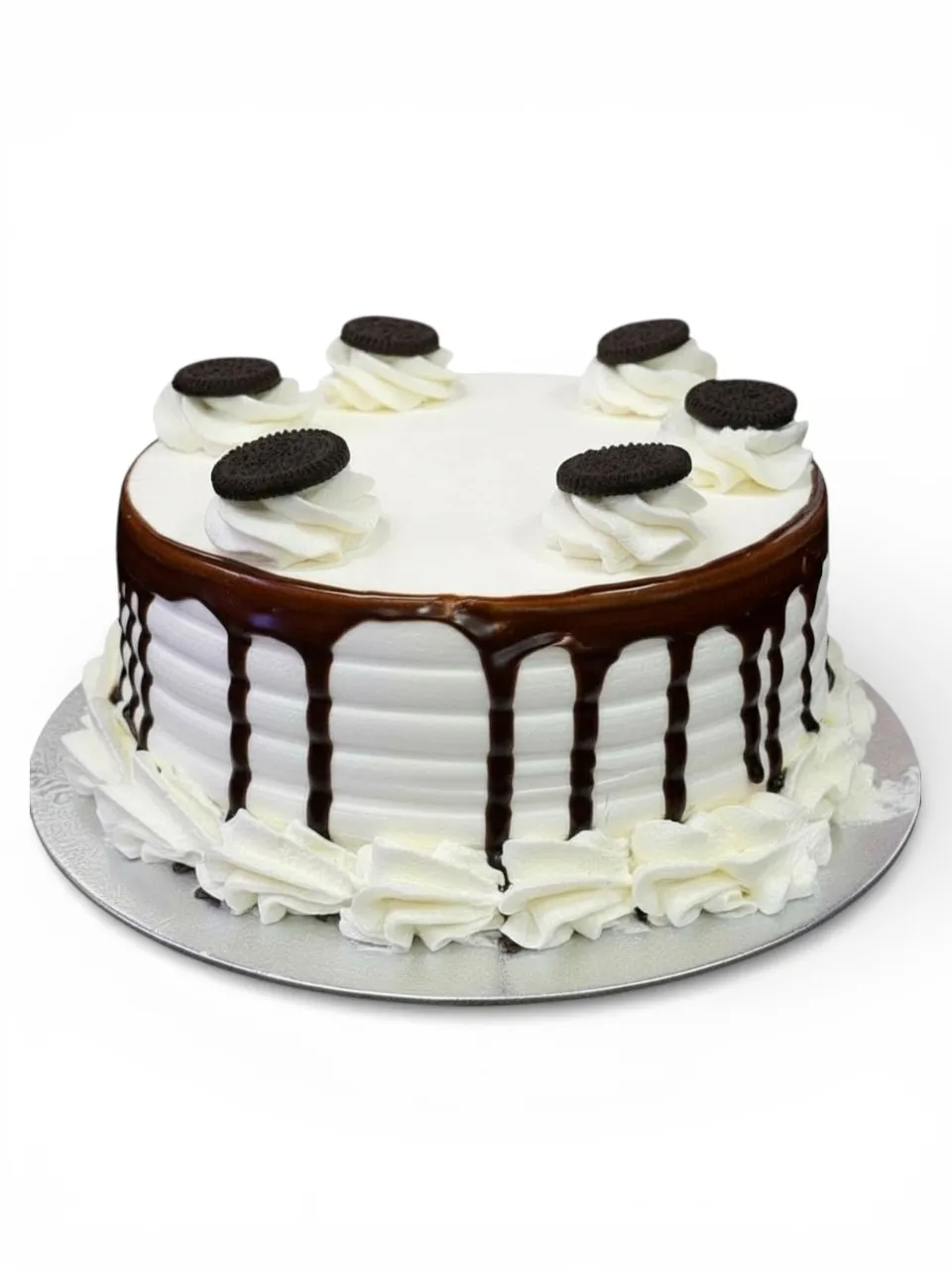
Multi-tier and fondant cakes need a different level of care than a single-tier buttercream cake, because the risk isn't just melting — it's structural collapse. A properly dowelled cake, assembled correctly before it leaves the shop, can usually travel as a single unit for shorter trips. For longer drives or particularly tall designs, some bakeries — including ours, on request — will assemble the tiers separately and finish stacking at the venue.
From our own experience packing hundreds of tiered cakes for pick-up, the single biggest cause of damage isn't heat — it's a customer trying to carry the box like a regular parcel, tilted at an angle to fit through a door or into a boot. A tiered cake needs to stay level the entire time it's in your hands, not just while it's sitting in the car. We always walk customers through the safest carry angle before they leave the shop.
If your cake has delicate fondant decorations — sugar flowers, thin plaques, anything raised off the surface — ask us to pack those separately in a small box rather than attached, and place them on the cake yourself at the venue. It adds thirty seconds at the other end and removes almost all of the transit risk for the most fragile elements.
What Packaging Should You Ask For on a Hot Day?
On any day forecast over 28–30°C, ask for a chilled gel pack tucked beside (never touching) the cake box, or ask us to hold the cake refrigerated right up until your confirmed pick-up time. A standard cardboard cake box blocks direct sunlight reasonably well, but on its own it does very little to slow the heat building up inside a closed, parked car.
A few packaging choices make a real difference once the cake is out of our hands. A box that's sized correctly — not loose enough for the cake to slide, not so tight that the lid presses on decorations — protects both the structure and the finish. For fondant cakes especially, a box with small ventilation holes helps prevent condensation from forming on the surface as the temperature shifts between the shop's air conditioning and a warmer car.
Something we've noticed after years of packing cakes for collection: customers who ask for a slightly firmer buttercream finish on hot-day orders — a small recipe adjustment we're happy to make on request — report far fewer "melted corner" problems than those who order our standard finish for a summer afternoon event. It's a five-second request at order time that solves a problem most people don't think to ask about until it's too late.
If you're travelling more than 30–40 minutes, consider asking us about an insulated carry bag, which holds a cooler internal temperature for longer than a cardboard box alone. We keep a small stock on hand at both shops for exactly this kind of request — mention it when you place your order so we can set one aside.
How Long Can a Cake Safely Sit Out Before an Event?
The temperature danger zone of 5°C to 60°C is where bacteria multiply fastest, and Food Standards Australia New Zealand's guidance is clear: potentially hazardous food — which includes cream and dairy-based cake fillings — should spend no more than two hours cumulatively in that zone to stay safely within best practice, and never beyond four hours before it should be discarded (FSANZ).
In practice, that means counting the transport time and the time sitting out at the venue together, not separately. A 30-minute drive followed by two hours on a dessert table before cutting is already pushing towards the upper end of what's recommended in warm weather. Where possible, keep the cake refrigerated at the venue until closer to serving time, and bring it out only when the celebration is ready for it.
Message us on WhatsApp and we'll talk through the best pick-up time and transport plan for your design, especially for tiered or fondant cakes.
What Should You Do When Picking Up from Harris Park or Riverstone?
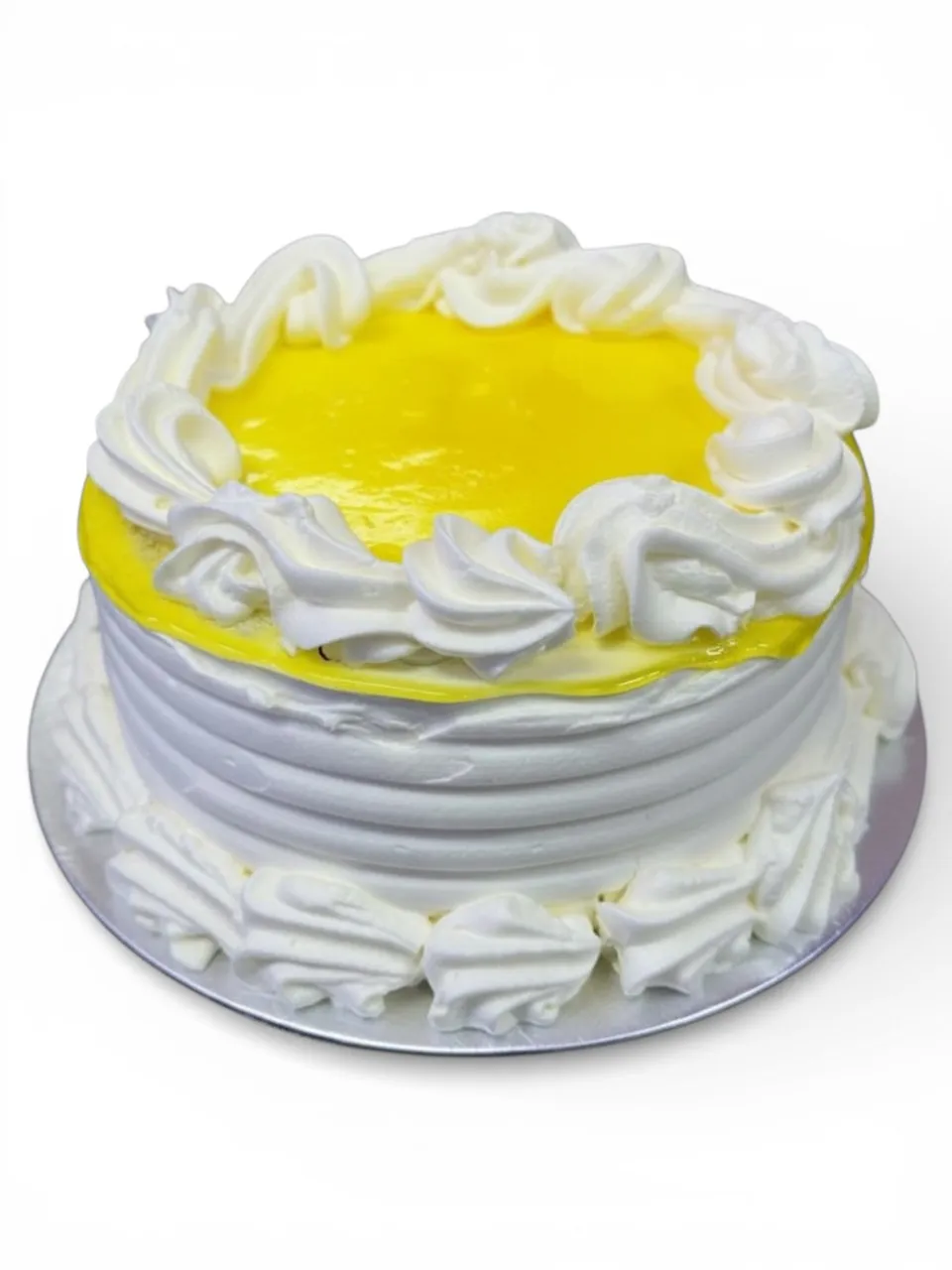
From our own order data, most customers collect their cake within two to three hours of an event's start time, which is exactly the right window if the transport and venue steps are handled well. A few habits make the biggest difference on the day.
Looking at our own collection patterns, the customers who report the fewest transport issues are the ones who time their pick-up as close as reasonably possible to the event itself, rather than collecting first thing in the morning for an evening party. On warm-weather weekends, we actively suggest a tighter pick-up window and explain why — it's a five-minute conversation that avoids a genuinely disappointing arrival.
- Bring a flat-bottomed vehicle boot or back seat space — hatchbacks and SUVs are usually easiest, but any flat surface works.
- Ask us to confirm the safest carry angle for your specific design before you leave the shop.
- Cool the car down before you arrive — run the air conditioning while you're inside collecting the cake.
- Time your pick-up close to the event — collecting two to three hours ahead is usually safer than collecting the night before or first thing in the morning.
- Message us if your route involves a long drive — for trips over 45 minutes, we can suggest extra packing support or a firmer buttercream finish that holds up better in transit.
See our full Locations page for directions to both shops, and browse the Our Cakes page to see the full 15-flavour range before you order.
Frequently Asked Questions
What is the best way to transport an eggless cake in a car?
Place the cake box flat on the boot floor or the back-seat footwell, never on a seat where it can slide. Run the air conditioning rather than opening windows, avoid direct sun on the box, and drive gently, braking and cornering more slowly than usual for the length of the trip.
How long can an eggless cake sit out of the fridge?
Cream-filled cakes fall into the 5–60°C food safety danger zone, where the Food Standards Australia New Zealand two-hour/four-hour rule applies. Keep total time out of refrigeration under two hours where possible, and never beyond four, especially in Sydney's warmer months.
How hot can a parked car get, and does it affect cake safety?
RACV testing found vehicle interiors can reach around 70°C within minutes on a hot day, well past the 60°C food safety ceiling. Never leave a cake in a parked car in direct sun, even briefly — cabin heat builds faster than most people expect, especially in the first 15 minutes.
How do I transport a tiered or fondant cake without damage?
Ask for internal dowelling before you leave the shop, keep the cake boxed until the last possible moment, and carry it flat and level rather than tilted. For delicate fondant decorations, request they be packed separately and placed on the cake yourself at the venue.
Does Num Num's Bakery give transport advice with every order?
Yes. Every cake leaves Harris Park or Riverstone in a purpose-fit box with handling guidance included, and our team talks through the safest carry angle for larger or tiered designs. Message +61 425 697 725 if you have a specific transport question before your event.
Every cake leaves Harris Park or Riverstone boxed for safe travel. WhatsApp us before your event if you'd like transport advice for a specific design.