If you or someone you love is managing diabetes, you've probably searched "eggless cake for diabetics Sydney" hoping for a simple yes. We can't give you that, and no honest bakery can. Every cake at Num Num's Bakery is 100% eggless. None of them are diabetic-safe or sugar-free. What we can offer is lower-impact flavour choices, honest portion guidance, and a custom order built around what your own doctor or diabetes educator recommends.
In 2022-24, an estimated 6.5% of Australian adults — about 1.3 million people — were living with diabetes, according to the Australian Institute of Health and Welfare (AIHW, Diabetes: Australian facts, 2025). That's nearly triple the roughly 460,000 Australians recorded with diabetes in 2000, per the same report. This guide explains what "lower-impact" really means for a celebration cake, how flavour and portion size affect blood sugar response, and how to plan a custom order with our team — always alongside your own doctor's advice.
- No cake here is diabetic-safe — all contain sugar and carbs.
- In 2022-24, 6.5% of Australian adults (1.3 million) had diabetes (AIHW, 2025).
- Fruit-forward flavours and smaller portions can lower blood sugar impact somewhat.
- Type 1 and Type 2 diabetes need different planning.
- Tell us your needs 48 hours ahead; always follow your doctor's advice.
Is There Such a Thing as a Truly "Diabetic-Safe" Eggless Cake?

No — there's no such thing as a genuinely diabetic-safe cake, including ours. Every cake contains flour and sugar, both of which raise blood glucose. Under the Australia New Zealand Food Standards Code, a nutrition panel only has to list total sugars and total carbohydrates, not how much sugar was added versus naturally present (Food Standards Australia New Zealand, Nutrition Panel labelling guidance, 2026).
That labelling gap matters here too. It means no bakery — however careful with ingredients — can print a precise "safe for diabetics" figure on a custom order. We can tell you the icing ratio, the flavour, and the size. We can't tell you your own blood glucose response. That depends on your medication and metabolism, not just the cake.
From the WhatsApp messages we get each week, most customers who ask about diabetes aren't asking for a medical guarantee. They're asking how to make a sensible choice — a smaller size, less icing, a fruit flavour — so a celebration doesn't derail someone's day. That's a request we can genuinely help with.
We follow the same honesty principle here that we use for our egg allergy guidance: state the limits plainly, then help within them. Browse our cakes to see the full range before deciding what to ask for.
How Many Australians Are Living with Diabetes Right Now?
In 2022-24, an estimated 6.5% of Australian adults — 1.3 million people — were living with diabetes, up from roughly 460,000 in 2000 (AIHW, Diabetes: Australian facts, Summary, 2025). That's close to a three-fold rise in just over two decades. Around 1.2 million of those cases are Type 2 diabetes, the form most strongly linked to diet and lifestyle factors over time.
In 2022-24, an estimated 6.5% of Australian adults — 1.3 million people — were living with diabetes, up from about 460,000 in 2000 (AIHW, Diabetes: Australian facts, Summary, 2025). Almost 1.2 million of those cases are Type 2 diabetes, largely linked to diet and lifestyle factors over time.
Why does that growth matter for a bakery? Because it means more of our customers than ever are planning a celebration around this condition, not fewer. AIHW modelling also shows diabetes is around 1.8 times more common in men than women once age is accounted for, and nearly 14% of Australians aged 75 and over live with it — almost eight times the rate for those aged 18 to 44.
What Is Glycemic Index and Why Does It Matter for a Slice of Cake?
Glycemic index (GI) measures how quickly a carbohydrate food raises blood glucose compared with pure glucose, on a scale to 100. Foods scoring under 55 are classed low-GI and produce a slower, gentler rise, according to the NSW Agency for Clinical Innovation's diabetes diet specification. A 2020 clinical study found low-GI, low-glycemic-load desserts improved blood glucose response in people with Type 2 diabetes compared with standard higher-GI desserts.
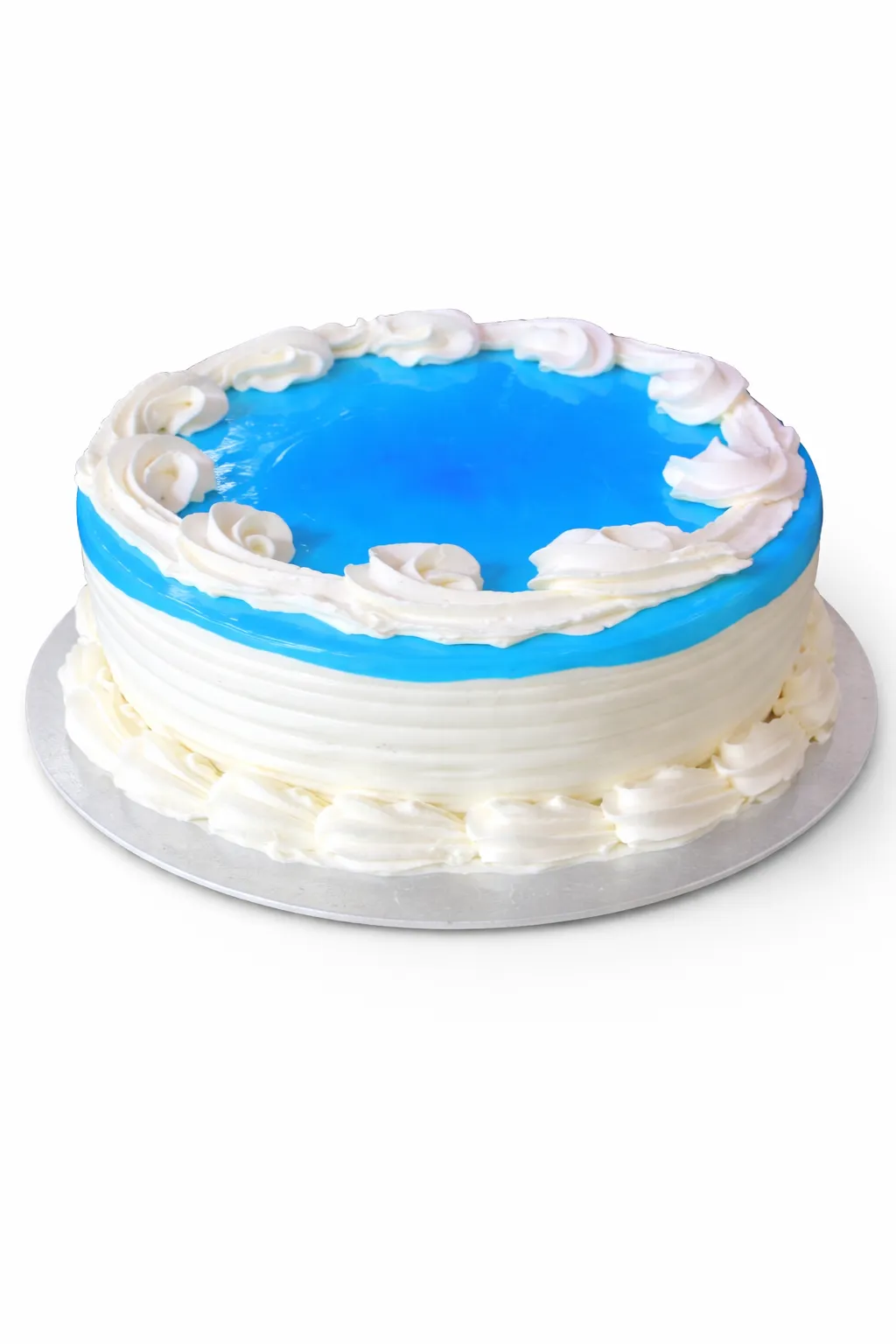
That's exactly why flavour and ingredient choice matter for cake more than most people assume. A cake built on fresh or puréed fruit — Mango, Lychee, Strawberry — brings natural sweetness with a little fibre, which can blunt the glucose spike slightly compared with a cake relying purely on refined sugar and syrup. It's a modest effect. It doesn't rewrite the nutrition label.
A 2020 study published in the journal Nutrients found that low-glycemic-index, low-glycemic-load desserts improved blood glucose and insulin response in people with Type 2 diabetes, compared with standard higher-GI desserts, when eaten within a balanced diet (PMC7400801, National Library of Medicine, 2020). The effect was measurable but modest — recipe changes support management; they don't replace it.
For a fuller nutritional breakdown of a standard slice, our eggless cake nutrition guide is the right next read, and our are eggless cakes healthy? post covers the wider picture beyond blood sugar alone.
Does Type 1 or Type 2 Diabetes Change What You Should Order?
Type 2 diabetes accounts for roughly 86.6% of the 1.5 million-plus Australians registered with the National Diabetes Services Scheme as at 30 June 2025, with Type 1 at about 9.4% and gestational diabetes at 3.1% (NDSS, Diabetes Facts and Figures, 2025). The two main types change what matters most at a celebration. Type 2 is usually managed through diet, activity or oral medication, so portion size and overall carbohydrate load do most of the work. Type 1 requires insulin dosed against carbohydrate intake, so an honest estimate of a slice's carb content matters more than the flavour itself.
That distinction shapes our advice differently. For Type 2, we'll usually suggest a smaller cake, a fruit-forward flavour, and reduced icing. For Type 1, we'll try to give you an honest estimate of slice size and richness, so you or a carer can factor it into an insulin dose. We're a bakery, not a clinic, and can't replace your diabetes educator's guidance.
From our own order records across both Harris Park and Riverstone, requests that mention "Type 1" or "insulin" most often ask for consistent, predictable slice sizes rather than a specific flavour. Requests that mention "Type 2" more often ask about reducing overall sugar or icing instead.
How Much Does Portion Size Really Affect Blood Sugar Impact?
Portion size is the single most direct lever anyone can control at a celebration. From our sizing guide, a 6-inch round yields roughly 6-8 serves; an 8-inch round yields 12-14 serves at a similar sugar density per slice. NSW Health's own healthy-eating guidance lists choosing smaller portions as one of five simple habits that help protect against chronic diseases, including type 2 diabetes (NSW Health, Action for Diabetes Prevention, case studies report).
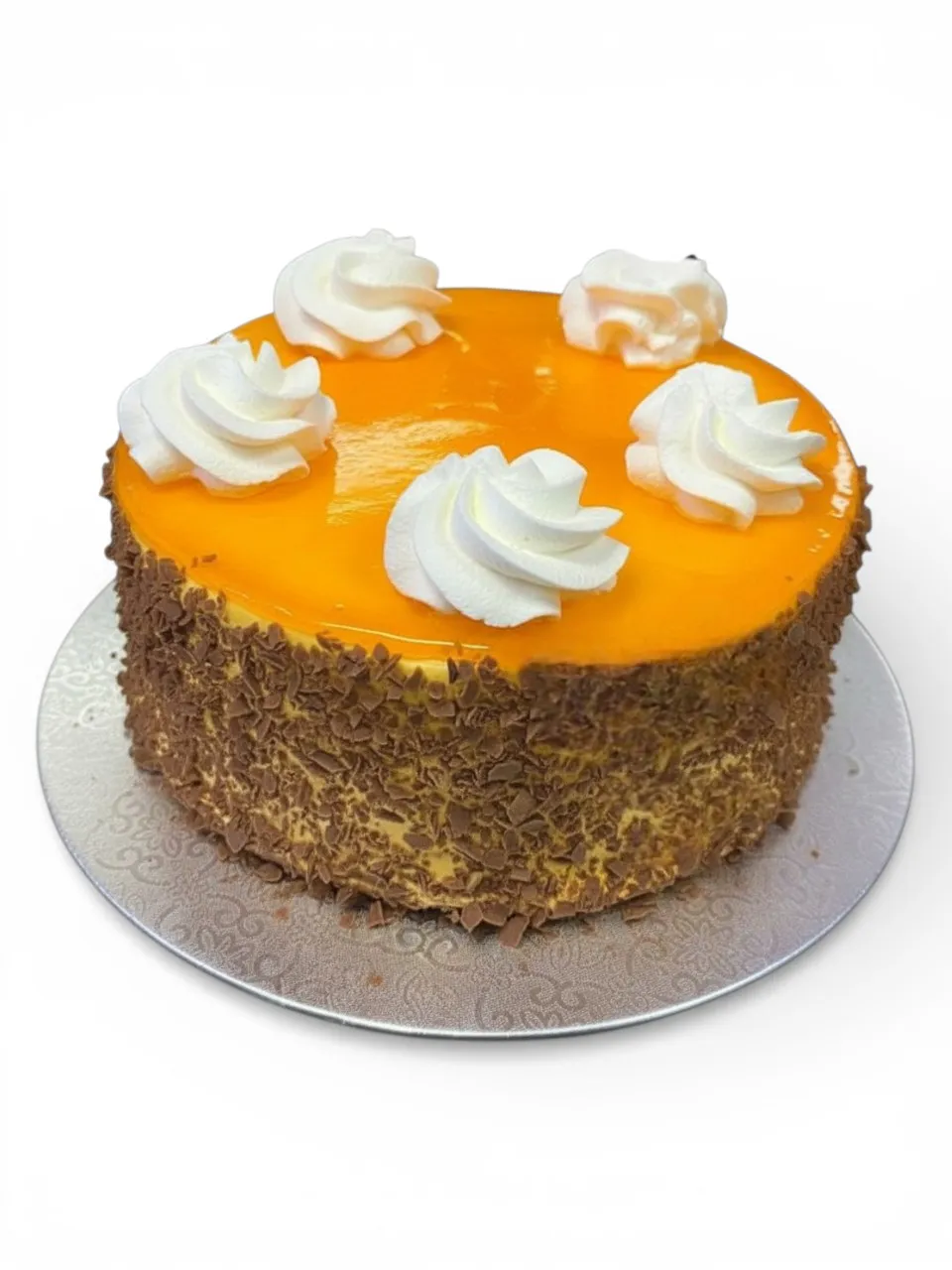
In Australian diabetes education, a standard carbohydrate "serve" is commonly counted as 15 grams. A typical fully-iced slice of celebration cake can carry roughly 45-60 grams of carbohydrate — three to four serves in one sitting. A smaller, reduced-icing slice trims that closer to 30-35 grams, which is easier to plan around, whether or not you're counting carbs formally. See our cake size guide for a full breakdown of serves by round size.
Does a smaller slice really make that much difference? For anyone timing insulin, or simply trying to stay within a daily carbohydrate budget, yes — it changes the math meaningfully.
Num Num's Flavours That Suit a Lower-Impact Celebration Best.
From our internal order data across Harris Park and Riverstone, fruit-forward flavours consistently draw the most requests from customers who mention diabetes or blood sugar management. Mango, Lychee, Strawberry, Blueberry and Pineapple lean on real fruit sweetness, so they typically need less added sugar in the filling and buttercream than a rich flavour like Ferrero Rocher or Red Velvet.
- Mango. Ripe fruit purée carries most of the sweetness; our most requested lower-impact flavour by a clear margin.
- Lychee. Delicate and naturally sweet, popular with customers who find standard vanilla sponge too sweet.
- Strawberry. Fresh strawberry adds acidity that balances a lighter buttercream well.
- Blueberry. A similar natural-sweetness profile to strawberry, with a slightly deeper flavour.
- Pineapple. Bright and tangy; works well paired with a reduced-icing request for an even lighter result.

None of this makes any flavour diabetic-safe. It just means these five options, paired with a smaller portion and a reduced-icing request, produce a genuinely lower sugar and carbohydrate load than our richer flavours. Ask for any of them by name, or browse the full flavours guide to compare all 15 options before you order.
Message us your flavour, size, and any medical considerations. We'll tell you honestly what we can do before you order — 48 hours notice for most requests.
How Do You Order a Lower-Impact Cake for Someone Managing Diabetes?
From our order process across both Sydney shops, ordering a lower-impact cake takes the same steps as any custom order — you just need to tell us upfront. Message us your flavour, size and any medical considerations on WhatsApp, and we'll confirm exactly what's realistic before you commit to a design.
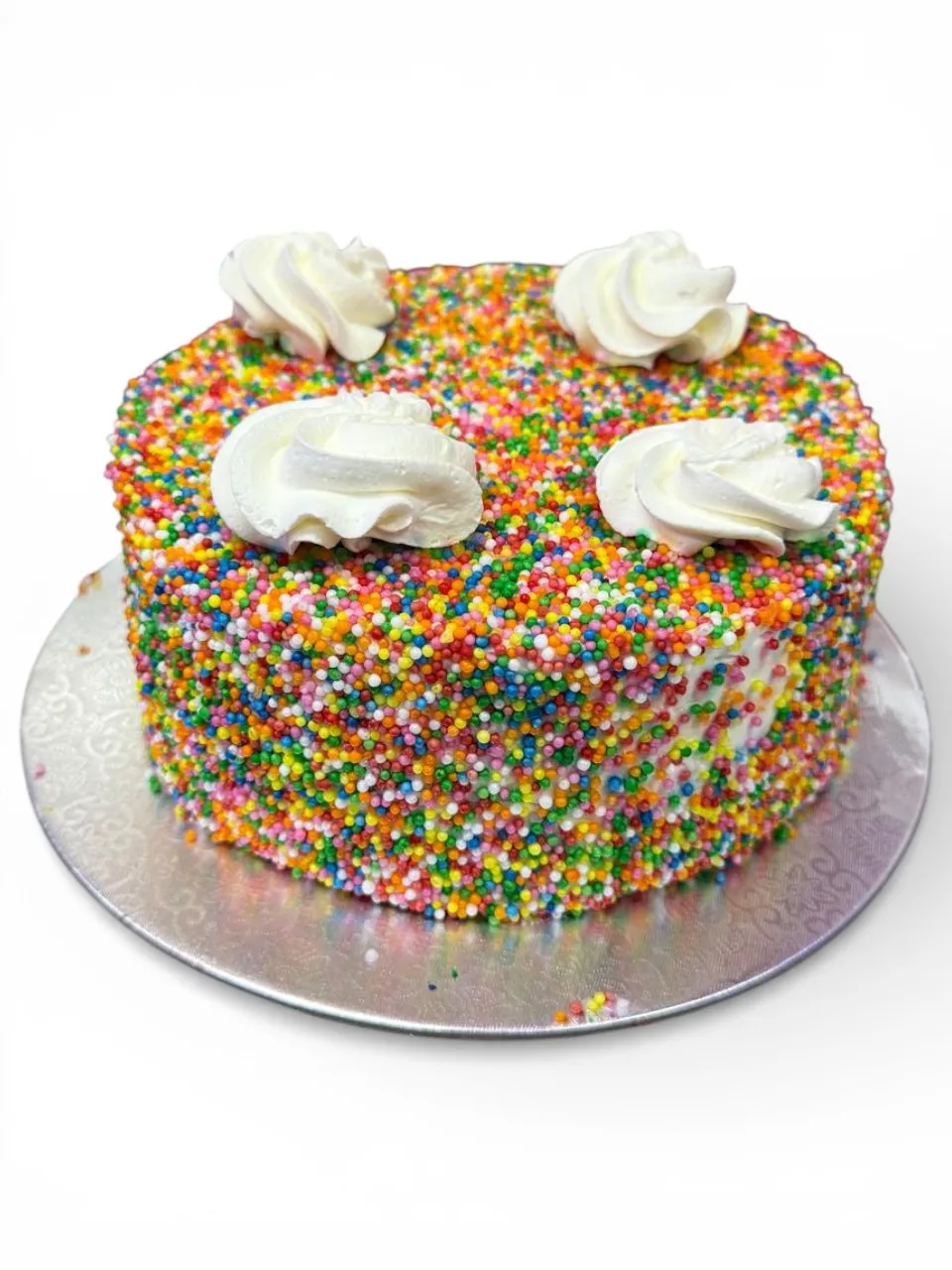
- Choose a fruit-forward flavour: Mango, Lychee, Strawberry, Blueberry or Pineapple naturally need less added sugar.
- Pick a smaller size or individual serves: this caps the total carbohydrate any one guest eats.
- Ask for reduced icing: cutting the frosting layer trims a meaningful share of the added sugar.
- Message us on WhatsApp: send +61 425 697 725 with your flavour, size, and any dietary or medical notes.
- Give 48 hours notice: standard requests need 48 hours; fully custom designs or festival-period orders need 4-5 days.
Collect from either Harris Park or Riverstone — see our locations page for maps, parking and exact directions. If you're new to ordering with us, the lower-sugar options guide covers the same icing-ratio and flavour levers in more depth, and works well alongside the diabetes-specific guidance here.
What Are the Most Common Myths About Diabetes and Cake?
The most persistent myth is that swapping white sugar for honey, coconut sugar or fruit purée makes a cake "diabetic-friendly." It doesn't. According to Food Standards Australia New Zealand's sugar labelling guidance, honey, fruit juice concentrate and cane sugar are all still classified as sugars on a nutrition panel. A substitution changes flavour and texture, not the underlying sugar load.
A second myth: a smaller cake is automatically "healthier" per bite. It isn't — a thinner slice of the same recipe has the same sugar density, just less total volume eaten. The genuine lower-impact levers are the recipe itself (icing ratio, flavour) and the portion served. Confusing the two leads to disappointment, not better blood sugar outcomes.
A third myth: "no added sugar" means "sugar-free." It doesn't. "No added sugar" only means no sugar was added during preparation — the product can still carry plenty of naturally occurring sugar from fruit or dairy. We avoid both claims on our cakes. Neither is accurate for a celebration cake that still needs some sweetness to taste right. For the full picture on ingredients, our nutrition guide breaks down a standard slice in detail.
Frequently Asked Questions
Is any cake truly safe for someone with diabetes?
No. Every cake, including ours, contains sugar, flour and carbohydrates that affect blood glucose. In 2022-24, an estimated 1.3 million Australian adults (6.5%) were living with diabetes (AIHW, 2025). We can offer lower-impact flavours and smaller portions, but always follow your own doctor's or diabetes educator's advice before ordering.
What's the difference between Type 1 and Type 2 diabetes when ordering a cake?
Type 2 diabetes accounts for roughly 86.6% of NDSS registrations and is usually managed through diet, exercise or medication, so portion size matters most (NDSS, 2025). Type 1 diabetes requires insulin dosed against carbohydrate intake, so an honest estimate of a slice's carb content helps more than flavour choice alone.
Which cake flavours have less impact on blood sugar?
Fruit-forward flavours like Mango, Lychee, Strawberry, Blueberry and Pineapple rely on natural sweetness, so they typically need less added sugar than richer flavours such as Ferrero Rocher or Red Velvet. Pairing a fruit-forward flavour with a reduced-icing request and a smaller portion lowers the overall carbohydrate load further.
Can I ask Num Num's Bakery for a smaller, portion-controlled cake?
Yes. Individual mini cakes or a smaller round let each guest control their own portion instead of cutting from one large tiered cake. Message us your flavour and size preference with at least 48 hours notice, and mention that you're managing blood sugar so we can suggest a sensible option.
How much notice do you need for a lower-impact custom cake order?
A minimum of 48 hours for standard flavour and size requests. For a fully custom design, a reduced-icing structure, or an order during a festival period, we recommend 4-5 days notice. Message +61 425 697 725 on WhatsApp and tell us about any dietary or medical considerations upfront.
Fruit-forward flavours, reduced icing and smaller portions — tell us what you need and we'll tell you honestly what we can do. Always confirm with your own doctor or diabetes educator first, and message us at least 48 hours before your event.